



MC
MEDCOAT 2000™
MEDCOAT 2000™ - a validated Medical Device Coating
MEDCOAT 2000™ is a proprietary, validated, biocompatible chrome plating process specifically designed for medical applications.
MEDCOAT 2000™ can improve the life and performance of medical parts by decreasing the effects of wear and corrosion associated with intensive use, cleaning, and sterilization. It can also reduce seizing or galling of interfacing components. Readability and endurance of laser marking on parts can also be enhanced.
MEDCOAT 2000™ coating thickness is deposited per specification range and certified by X-ray measurement. Different finishes are available depending on application requirements.
Capabilities:
- Masking for Non-Coated Areas
- Different Thickness Depending on Application
- Thickness Measured and Certified by X-Ray
- Dull Non-Reflective, Satin, & Bright Finishes
- Heat Treatment for Hydrogen Embrittlement
- Passivation and Electropolish Preparation
Benefits:
- Will Not Chip, Flake, or Peel
- Biocompatible (Tested per ISO 10993)
- Increased Hardness – 68-72 Rc
- Lubricity (Reduced Seizing & Galling)
- Withstands Cleaning and Sterilization Cycles
- Corrosion Protection
- Wear and Abrasion Resistance
- Improves Laser Marking Appearance
Specifications:
- AMS 2460
- ASTM B-177
- ASTM B-254
- Many Medical OEM Specifications
Example Applications:
- Surgical & Dental Instruments
- Bone Saw Guides and Blades
- Arthroscopic Blades
- Broaches and Reamers
- Bone Drills
- Chisels
- Bone Screw Taps
- Curettes
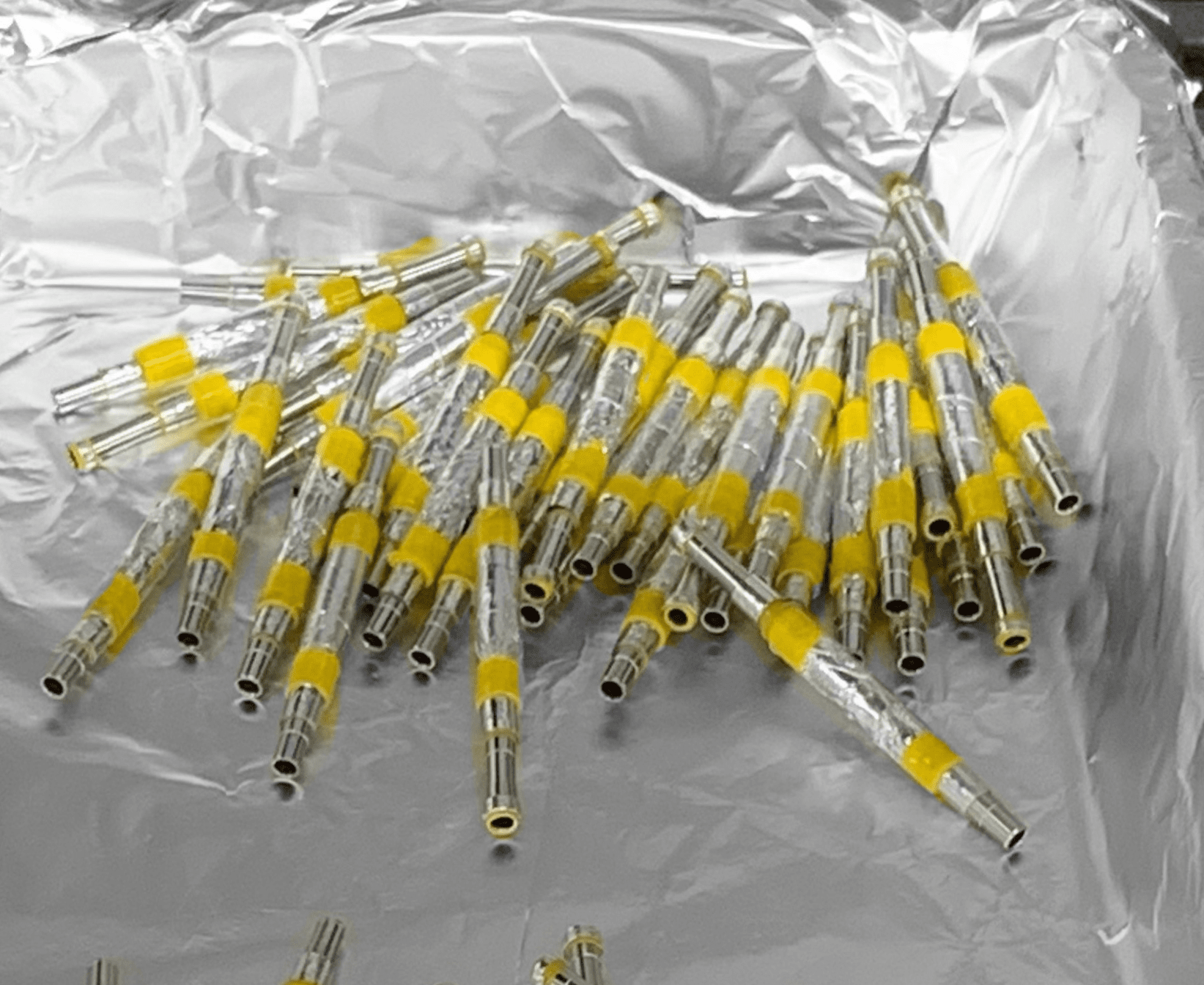
- Cannulas
Important Considerations:
- Material
- Part Condition
- Buildup per Surface
- Masking
- Racking
- Packing
ECO can provide guidance on each of these items relative to your specific parts.
Quoting Information
Always request a quote prior to sending an order. To facilitate the quoting process, please include a part drawing and processing specification if applicable. If the drawing and/or specification do not identify the following, please provide: substrate material, plating thickness range, critical areas for plating, masked areas if required, and optional areas if applicable. Typical lot size and annual volume are also helpful for quoting. To achieve optimum performance and cost-effectiveness, all coating requirements should be reviewed with ECO prior to processing.
For maximum protection against damage and corrosion, before and after processing, all parts must be properly wrapped, preserved, and shipped in suitable containers. Parts need to be free of scale, rust, and corrosion prior to processing. ECO will remove oil, grease, and other preservative materials. Parts will be returned in same packaging used to ship parts to ECO.